Let’s get real for a minute. We’ve all been there: you’re passionately coaching a client, sharing your insights and recommendations, but it seems like everything you’re saying just isn’t sinking in. It can feel like you’re trying to fill a bucket with a hole in the bottom, and that’s more than a little frustrating, right?
It’s a tough place to find yourself. But here’s the thing—you’re not alone, and there are ways to navigate these choppy waters. We’ve got your back. This post is all about understanding why this happens and some practical strategies to turn things around.
Understanding Why Clients Don’t Listen
It’s crucial to grasp why some clients seem to tune out our advice. They may have preconceived notions or unrealistic expectations about the coaching process. Maybe there’s a lack of trust, or perhaps they’re just not in a place where they’re ready to embrace change.
“Tell me and I forget. Teach me and I remember. Involve me and I learn.”
— Benjamin Franklin
Involve your clients in their journey of growth, instead of trying to push them from behind.
Setting Clear Expectations
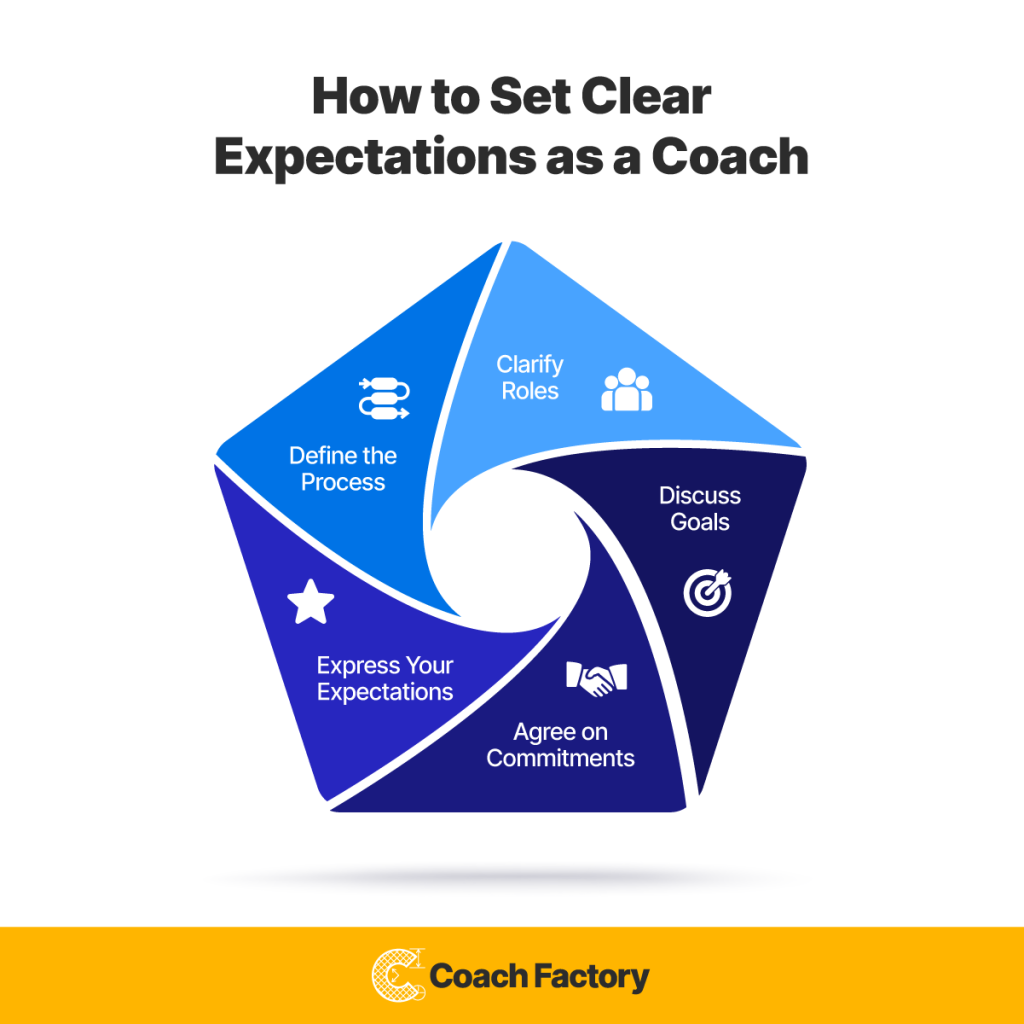
The crucial groundwork of any coaching relationship is setting clear expectations, right from the first consultation. This is your opportunity to align on goals, understand the client’s needs, and clarify your role as a coach. Start by discussing what they hope to achieve from the coaching sessions and how they envision reaching those goals.
But remember, it’s not only about the client’s expectations of you, but also your expectations of them. You are not there to magically solve their problems; you are there to guide them towards solving their problems themselves. Make sure your client understands this dynamic.
Here’s some practical advice for setting expectations:
- Define the Coaching Process: Clearly articulate what coaching is and what it isn’t. Explain your methodology and what they can expect in a typical session.
- Clarify Roles: Make sure your client understands the difference between a coach and a therapist, a mentor, or a consultant. While these roles may overlap in some areas, they are not the same, and it’s important for your client to understand that.
- Discuss Goals: A client should come into a coaching relationship with some idea of what they want to accomplish. Help them define their goals clearly if they haven’t already done so. Encourage them to think in terms of specific, measurable, attainable, relevant, and time-bound (SMART) goals.
- Agree on Commitments: How often will you meet? How long will each session last? What will be the mode of communication? These are logistical but important details that should be agreed upon at the start to prevent confusion later on.
- Express Your Expectations: Communicate what you expect from them—for example, their active participation, honesty, and willingness to step outside of their comfort zone.
When both you and your client are on the same page regarding these issues, misunderstandings become less likely, and your advice and recommendations are more likely to be taken to heart.
Building Trust with Your Clients
You already know this: Trust is a critical ingredient in any coaching relationship. It’s like building a bridge between you and your client—it allows for the exchange of ideas and fosters a sense of safety and understanding.
Just think about a time you were hesitant to open up to someone until you felt they were trustworthy. Your clients are no different. Be authentic, consistent, and patient. Trust takes time to build but can shatter in a moment, so tread carefully.
Encouraging Client Engagement and Ownership
When a client feels like they have a stake in their growth process, they’re much more likely to listen to your advice. It’s human nature — we value the things we’ve contributed to.
So, instead of simply dictating what they should do, involve them in the decision-making process. For example, you might have a client struggling with time management. Instead of directly suggesting a routine, ask them to propose a routine themselves and discuss the merits together. This way, they feel involved and are more likely to stick with it.
Navigating Resistance to Change
People resist change — that just a fact of human nature. But, as coaches, we can help our clients understand and overcome their fears.
Start by making small, manageable changes. Praise their progress, no matter how small, to boost their confidence. Remember…
“Success is the sum of small efforts, repeated day in and day out.”
— Robert Collier
Reflecting on Your Coaching Style
Coaching is a two-way street, and sometimes, it’s we who need to adjust. It’s crucial to seek feedback and engage in self-reflection.
For example, if a client isn’t responding well to a direct approach, you might need to switch to a more explorative style. Remain flexible and remember that each client is unique, requiring a different approach.
7 Practical Tips for Working with Difficult Clients
Difficult clients can be a handful, but they can also be our biggest teachers. Here’s a compilation of some strategies I’ve found useful over the years:
- Set Boundaries: Define the limits of your professional relationship to avoid misunderstandings.
- Reinforce the Coaching Agreement: Remind your client of the goals and commitment they agreed to initially.
- Seek Supervision: A mentor or an experienced coach can offer a fresh perspective and valuable advice.
- Practice Active Listening: Make sure your clients feel heard and understood—it makes a world of difference.
- Demonstrate Empathy: Put yourself in their shoes and acknowledge their feelings.
- Ask Open-ended Questions: These encourage deeper thinking and allow your clients to explore their thoughts.
- Consider Coach-client Fit: If you’re continuously hitting walls, it might be a signal that the coach-client pairing isn’t right.

When to Consider Ending the Coaching Relationship
Knowing when to end a coaching relationship is just as important as knowing how to nurture one. If a client consistently disregards your advice and isn’t making progress, it may be time to part ways. It’s not about giving up—it’s about recognizing that the partnership isn’t working and that they might benefit more from a different approach or a different coach.
All in all, dealing with clients who ignore your advice can be a tough challenge, but also a valuable learning opportunity. Your perseverance, adaptability, and patience will pay off in the long run. As the saying goes,“The only bad experience is the one we don’t learn from.”