At its core, coaching is simply about helping clients achieve goals. But if clients are having trouble getting things done in general, you’ll need to step back and address their productivity. Productivity coaching is a niche coaching area that helps clients stay on task to
- Maximize their efficiency.
- Manage their time better.
- Navigate tasks more effectively.
But you don’t have to be a designated productivity coach to help your clients in this area. And fortunately, there are no special certifications needed.
Signs a Client Needs Productivity Coaching
Look for these telltale signs that productivity coaching is needed:
- Missed deadlines.
- Unmet targets.
- A general lack of focus.
- An out-of-control schedule.
You may hear your productivity-challenged client making these kinds of complaints:
- I’m constantly overwhelmed with my workload, and I can’t figure out how to prioritize tasks effectively.
- I struggle with time management and find it difficult to meet deadlines consistently.
- I often feel scattered and disorganized, making it hard to focus on my goals and make progress.
- I frequently procrastinate on important tasks, and it’s hindering my success and causing stress.
- I can’t strike a balance between work and personal life, and it’s affecting my overall well-being.
- I lack motivation and struggle to stay on track with my objectives, both professionally and personally.
How to Coach Someone in Productivity
The simple formula for productivity coaching is to identify the client’s hurdles to getting things done and provide a fix the client can successfully apply. Like all coaching, productivity coaching requires a lot of repetition, working through a progression of small milestones until a new way of operating becomes habitual.
From what we know, productivity isn’t a static goal. As clients move through different phases in their personal and professional lives, their productivity challenges shift. Being their anchor through these shifts promotes a sense of trust and partnership to ensure longer and more fruitful engagements.
How do you motivate someone to be productive?
You motivate someone to be productive when you help them tap into their own innate core motivations to achieve the goals that are important to them and that align with their values.
The drive to act is most powerful when it comes from within instead of from without. As a coach, it’s essential that you leverage your client’s innate core motivations so that the change is long lasting and meaningful. Instead of cajoling or threatening a client towards progress, you want to tap into what gives them fulfillment and point that energy towards productivity.
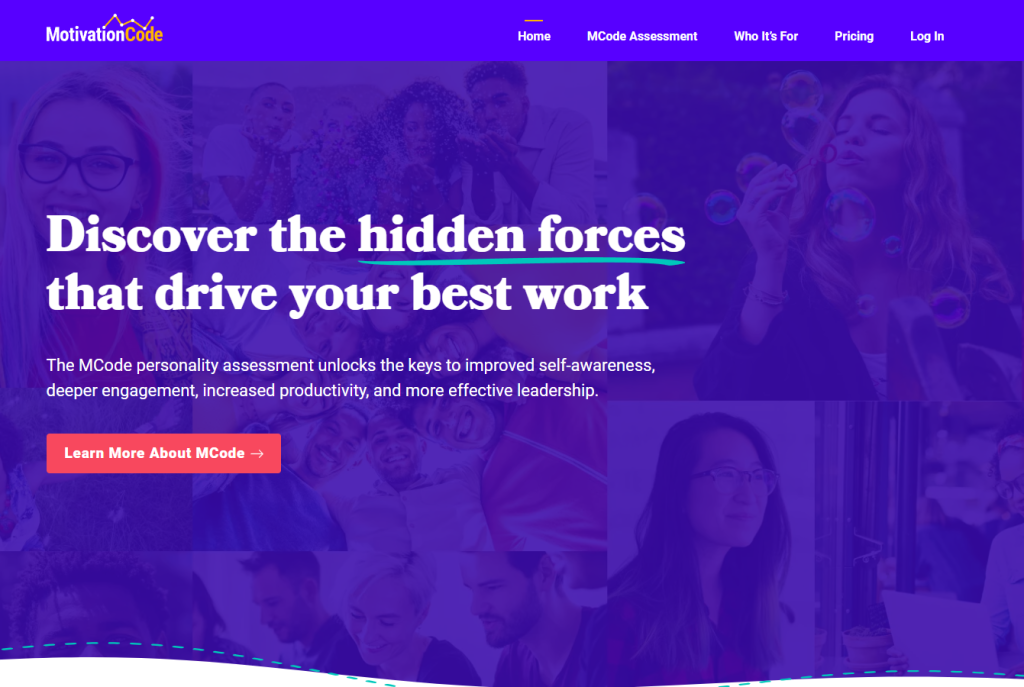
This all sounds a bit esoteric, but there’s a tool that can help you identify exactly what someone’s primary motivations are. Motivation Code is an online assessment that takes about 30 minutes to complete. At the end of the process, the user gets a detailed report showing their affinity for 32 MCode motivations, categorized into eight MCode motivational dimensions.
A great starting point for productivity coaching is to use these uncovered MCode motivations to structure a coaching plan that will resonate with the client.
What is a productivity coach for business owners?
A productivity coach for business owners guides a client to apply the time tested tools for getting things done to all aspects of their business. Being a business owner, whether it’s as a solopreneur, a freelancer, or leading a team, is like juggling firebrands! A business productivity coach helps the entrepreneur identify the obstacles to achievement and makes a plan to regain control of their calendar so they can reach their metrics whether those are releasing a new product, landing new deals, or attaining revenue benchmarks.
Three Productivity Obstacles and How To Fix Them
Everyone, at some point in their lives, has struggled with a productivity issue. Some people fall victim to crippling procrastination, while others are totally burned out. Either way, these are real problems that could be holding your client’s back.

Below are common productivity issues along with recommended tools and strategies to help your clients overcome them.
1. Procrastination
Procrastination involves habitually delaying a task, usually until the last minute. Some may see this tendency rooted in laziness, but procrastination is more commonly a symptom of fear, perfectionism, or feeling overwhelmed.
Your job as a coach is to help your clients push through and employ methods that make overwhelming tasks more approachable.
Tools to Use
Time-blocking is a visual way of allocating blocks of time to individual tasks or groups of tasks. This helps define clear start and end times, making it less likely for your client to keep pushing tasks off into the future.
The Pomodoro technique complements time-blocking by focusing intensely on a task for a set time (usually 25 minutes) followed by a short break. This cycle repeats until the task is complete or the work session ends.
An example from business coaching
A business coaching client who needs to write a business plan is constantly delaying getting started because the task is too overwhelming. Using time-blocking, the coach and client dedicate specific hours of the day or week to each subsection. Using the Pomodoro method, the client works in bursts on each subsection to make the bigger task more achievable. For instance, the Market Research section of the plan might be tackled from 10 a.m. to noon, using three Pomodoro cycles with short breaks in between.
This approach not only makes large projects manageable but also introduces structure and rhythm to the working process without feelings of dread or tiredness.
2. Frequent Distractions
Distractions are a persistent challenge in our connected world. With constant notifications, messages, and social media, it’s easy to get sidetracked from our goals and let time slip away without anything productive achieved.
Tools to Use
To minimize distractions, a coach should recommend a digital detox which is a designated period without any digital devices. This conscious decision to step away from screens can be as short as an hour or as long as a day or a weekend. The main goal is to break the cycle of dependency on devices and create a distraction-free environment when needed.
An example from fitness coaching
Fitness clients may need help with distractions during workouts. For example, a client may be midway through a set of exercises when their phone buzzes with a notification. The temptation to check it interrupts their flow, and before they know it, they’re scrolling through social media or texting a friend instead of keeping their heart rate at the optimum level.
Fitness coaches should advocate for a mini digital detox during workout sessions. Coaches can ensure fewer interruptions by encouraging clients to turn off non-essential notifications or put their devices in do not disturb mode.

3. Burnout
Burnout is more than just everyday stress. It’s a state of chronic physical and emotional exhaustion, often paired with doubts about competence and the value of one’s work. In a society that frequently glorifies being busy through the religion of workism, it’s important to recognize and address burnout as a root cause of poor productivity.
Tools to Use
Mindfulness practices, such as meditation or deep breathing exercises, are proven techniques to reduce stress, enhance self-awareness, and promote emotional health. They help clients stay present, acknowledge their feelings without judgment, and disconnect from the daily chaos.
Scheduling downtime is also a great technique for combating burnout. This is where a client intentionally plans for periods of rest. It’s a time to switch off from work and indulge in activities that rejuvenate their mind and body: reading a book, taking a walk with a friend, or simply doing nothing. Clients struggling with productivity may be punishing themselves with grueling work hours yet still not feel a sense of accomplishment. Help your clients identify when they’ve reached the point where more hours working become counterproductive.
An example from life coaching
Imagine a life coaching client who’s always on the go with multiple, often conflicting, responsibilities. They might wear their busyness as a badge of honor, but deep down, they feel drained and disconnected from their purpose. Moreover, they aren’t making genuine progress on the must do list. They’re on a hamster wheel of activity but without any actual forward motion.
By recognizing the signs of impending burnout, coaches can guide clients toward integrating mindfulness practices into their daily routines. Just 10 minutes of meditation in the morning or deep breathing exercises during work breaks can significantly lower stress levels and enhance mental clarity.
In this situation, encouraging downtime is also important. By helping clients identify activities that truly rejuvenate them and ensuring they make time for these regularly, coaches can assist in creating a balanced life.
12 Recommended Apps for Coaching Client Productivity
Leveraging the latest tech in your coaching practice will help your clients stay on track, manage tasks seamlessly, and elevate their productivity. Productivity apps are available for almost every coaching niche and make excellent resources to motivate your clients to achieve their goals.
Below is a list of 20 productivity apps for business, health and fitness, life, and wellness coaches.
Business Coaching Productivity Apps
1. Asana

For coaches working with business professionals and entrepreneurs, a common problem clients have is staying organized and meeting deadlines. Asana is a project management tool that addresses this need. Clients can chunk tasks, assign roles, set timelines, get reminders, and monitor project stages in real time.
Asana’s dashboard offers an overview of ongoing tasks to help clients pinpoint blocks and reallocate resources accordingly. The collaboration feature ensures their team members stay in the loop to minimize miscommunication.
Asana creates a culture of accountability and transparency, which is vital for business clients to meet their objectives consistently.
2. Notion
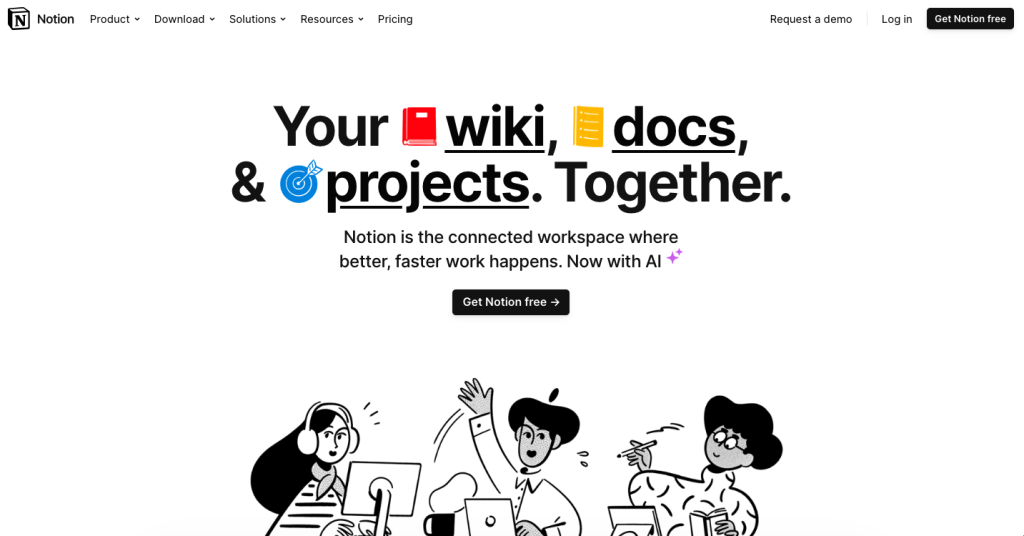
Juggling multiple software for notes, tasks, and databases is another pain point for clients in the business and entrepreneurial spaces. Notion eliminates this disconnect by offering an integrated workspace. For business coaches, guiding startups or teams by introducing them to Notion means providing access to a platform to brainstorm ideas, draft action plans, and secure data.
Notion also offers customizable templates that allow clients to adapt them to their business and team.
3. IFTTT (If This Then That)
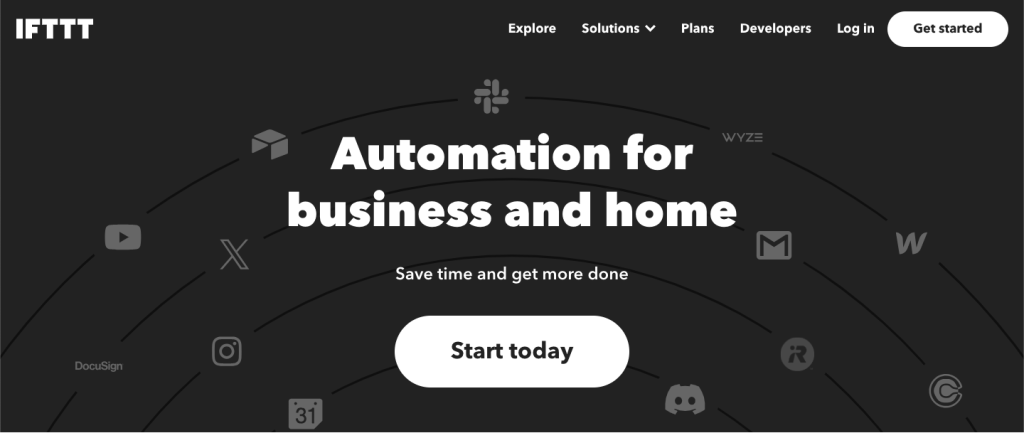
Repetitive tasks drain a business’s resources and time. IFTTT automates email marketing, tasks, social posts, and more by allowing users to set up conditional statements. For example, if a client uploads a photo on their business Instagram account, IFTTT can automatically share it on Twitter or Facebook as well.
Introducing clients to this productivity app will help them optimize their operations to ensure they spend more time on strategic decisions rather than mundane tasks.
Fitness and Health Coaching Productivity Apps
4. MyFitnessPal

As a digital food diary, MyFitnessPal allows clients to log their daily intake to provide insights into calories consumed, macronutrient distribution, and micronutrients. This data helps health and fitness coaches make informed decisions about diet modifications to align with fitness goals.
The app also tracks physical activity, enabling coaches and clients to view the balance between caloric intake and expenditure. The app’s vast food database and barcode scanning feature make logging easy so your clients remain consistent.
5. Apple Health

Apple Health is a hub for all health-related data, integrating data from various health apps and wearable devices to offer a complete overview of a client’s health metrics. The app provides information like steps walked, heart rate, sleep patterns, and even reproductive health.
For coaches, this provides a 360-degree perspective and enables them to tailor fitness plans to their clients. By monitoring trends, coaches can identify areas of concern, like inconsistent sleep, and provide recommendations accordingly. The ability to share data directly with coaches ensures timely feedback, which maximizes the chances of achieving fitness goals.
6. Couch to 5KM
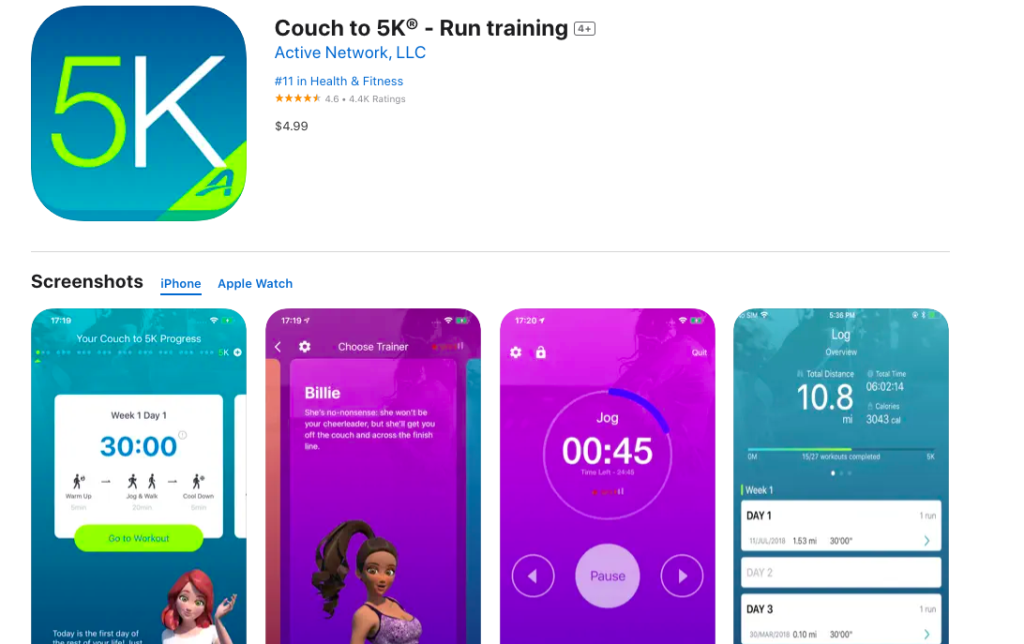
Many clients have ambitious fitness aspirations but need more structured guidance. Designed as a progressive training program, Couch to 5KM guides clients from sedentary lifestyles to confidently running 5 kilometers.
This app provides a structured program for fitness coaches working with beginners to increase intensity over time. It includes built-in timers, audio cues, and tracking to make their journey interactive and measurable.
Life Coaching Productivity Apps
7. Forest
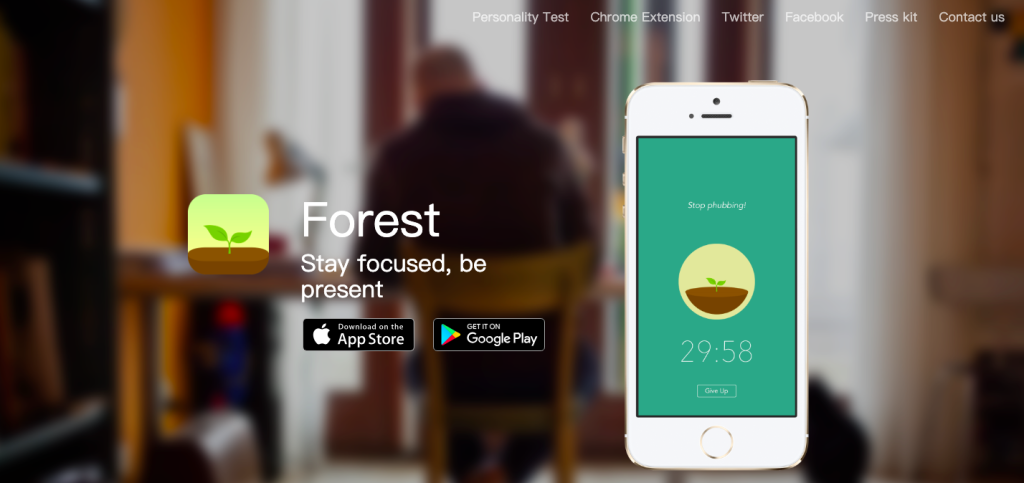
Smartphone addiction plagues many. For life coaching clients trying to gain focus and time management skills, Forest offers an innovative solution. The app allows users to plant a virtual tree that will grow over a set period, but if the user exits the app to use other apps on their phone, the tree withers and dies. This approach helps clients better visualize their focus and commitment.
8. MindMeister
How can you help your life coaching clients clearly express their thoughts, dreams, and goals? MindMeister is a mind-mapping tool that assists with the visualization process. It enables clients to chart their thoughts, connect related ideas, and identify core desires and objectives.
Whether it’s for personal growth, career aspirations, or relationships, the ability to visually map out thoughts can lead to massive breakthroughs. Life coaches can use this tool during sessions to aid clients in strategic brainstorming.
9. Habitify
Positive change in life often comes from forming good habits. Habitify aids clients in this journey by allowing clients to set, track, and maintain new habits.
For life coaches, this app provides a platform to ensure practices and routines discussed during sessions become part of their clients’ lifestyles. With reminders, streak trackers, and progress charts, clients are motivated to stay committed to their newly formed habits.
Wellness Productivity Apps
10. Headspace
Mental well-being is as important as physical health. For wellness coaches, ensuring their clients have peace of mind is always a top priority.
Headspace is a guided meditation app that gives users a structured path to mindfulness. It begins with basic meditation practices and advances to specialized sessions targeting stress, sleep, and focus.
11. Happify

Happify is a supplementary tool for wellness coaches aiming to boost their clients’ emotional well-being. The app uses the principles of positive psychology to offer users activities designed to elevate moods and combat negative thoughts.
Through regular interaction, clients can cultivate a more optimistic outlook, better handle life’s challenges, and improve resilience.
12. Remente

The Remente app uses the Wheel of Life as a foundation to combine goal-setting with mood tracking. It offers users a platform to set personal objectives, track their emotional well-being, and access self-improvement content.
Remente also provides a comprehensive platform for coaches to oversee a client’s progress. By understanding mood patterns and linking them with specific life events or challenges, coaches can provide tailored strategies to address each area of concern.
Productivity Coaching Is Great for Your Business, Too
Integrating productivity coaching with other coaching niches has the potential to elevate client success stories. When a coach empowers clients to overcome their productivity blocks, they can achieve better outcomes in shorter time frames. This transformation increases client satisfaction while amplifying the coach’s effectiveness and credibility.